Under thermal siege: the oxidative cost of heat stress
Heat Stress in the Poultry Industry
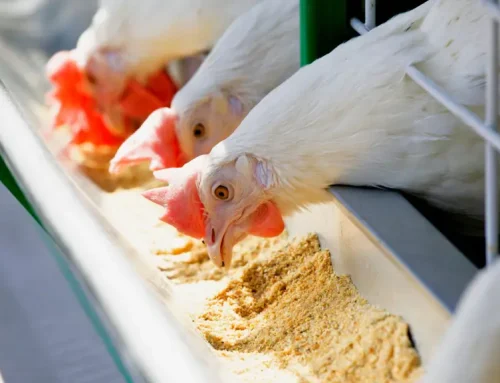
The poultry industry is a major contributor to global meat and egg production, and is continually improving animal welfare, management, and efficiency. As demands for meat and eggs continue to increase, so too does the importance of advancements in genetics, nutrition, and management. Birds are larger, grow faster, and are leaner, and as a result produce more metabolic heat per kilogram of body weight than ever before. This means modern birds are more prone to heat stress, especially in extreme thermal environments. It was estimated in 2003 that annual economic losses related to heat stress in the poultry industry were $128 to $165 million dollars (St-Pierre et al., 2003), a number that has likely only grown alongside production improvements. While the visible signs of heat stress are easily recognizable, the cellular damage occurring beneath the surface has silent implications with significant consequences for metabolism, immune function, and overall performance.
Physiological Impact of Heat Stress
From three weeks of age onwards, the thermoneutral zone to maintain a comfortable temperature for birds generally ranges between 18 – 21 °C (64 – 70 °F), with core body temperatures being around 42 °C (108 °F). When temperatures rise above thermoneutral levels, the balance of heat production and dissipation is disrupted, causing a cascade of physiological events that ultimately decrease performance. Heat stress is more common now than before because birds produce so much more heat themselves. Thus, the ambient temperature at which heat stress is apparent is lower today, especially when high stocking densities are employed. Heat-stressed birds may exhibit behavioral responses such as excessive panting, increased water intake, limited movement, or elevation of their wings. Recognizing these behavioral signs is important, but understanding the underlying physiology is equally critical.
Poultry have a greater susceptibility to heat stress due to their lack of sweat glands and dense feathering covering the majority of their body, so they rely heavily on panting as their primary method of heat dissipation. Panting facilitates evaporative cooling of the respiratory tract, which is the process of exchanging moisture from body heat to the air. In the case of excessive panting due to higher ambient temperatures, CO2 is being expelled at a greater rate than it is being produced, which causes a disruption in the blood acid-base balance, elevating blood pH and potentially leading to respiratory alkalosis. These shifts in blood pH only compound the damage of heat stress by contributing to oxidative stress.
Heat-Induced Oxidative Stress
Oxidative stress is a key component when dealing with heat stress, which is compounded by factors like excessive panting and change in blood chemistry. As with other forms of physiological stress, thermal challenges induce an imbalance between production of prooxidants and antioxidants to cause oxidative stress. The body has a precise system for regulation of reactive oxygen species (ROS) production; however, under thermal challenge, cellular energy demands are elevated, leading to excessive ROS production. Consequently, these ROS impair mitochondrial function and damage cell membranes through lipid peroxidation. Simultaneously, heat stress also weakens antioxidant defenses through downregulation of the Nrf2 pathway, reducing the activity of key protective enzymes (Tang et al., 2022). The result is a dual insult to cellular function – overproduction of destructive ROS and a simultaneous loss in the capacity to neutralize them. For that reason, mitigating the cascade of oxidative stress from heat challenges is crucial to maintaining optimal performance for poultry.
Oxidative Stress Effects on Production and the Role of Polyphenols
Producers utilize a multitude of strategies to mitigate heat stress, such as providing adequate ventilation, cool drinking water, and managing stocking density. Within that framework, nutritional management can also address the oxidative component of heat stress. It is well established that use of certain vitamins (E, C, or A) is essential and commonly used antioxidants in feed. However, global vitamin E prices are historically volatile and expensive to maintain at adequate levels in poultry diets for maximum performance. Dietary polyphenols can serve as a cost-effective complement to synthetic antioxidants such as vitamin E. While traditional antioxidants like vitamin E play a critical role, polyphenols can provide additional support by working across both water- and lipid-based environments and supporting the body’s own antioxidant systems. Elife®, a synergistic blend of carefully selected polyphenols, is designed to target oxidative stress through several mechanisms:
- Work in both fat- and water-soluble environments, helping neutralize ROS from inside the cell where much of oxidative stress originates
- Indirectly stimulate the Nrf2 pathway to upregulate antioxidant enzymes (e.g. SOD, GPx), enhancing the body’s natural antioxidant defenses
- Spare vitamins E and C as well as regenerate vitamin E for targeted support of metabolic functions
Heat stress has previously been shown to significantly reduce egg laying performance in commercial laying hens (Kim et al., 2024). In one study, when Elife® was supplemented to laying hens under chronic heat stress conditions, egg production was 2.2% greater, and on average Elife® hens laid eggs that were 1.2 grams heavier than controls, leading to a 2.4-gram improvement in daily egg mass production.
Additionally, it is important to consider the attenuation of oxidative stress as it relates to broiler meat production. Oxidative damage, which could be induced by above-normal ambient temperatures, promotes lipid peroxidation and protein denaturation leading to poor meat quality (Zhang et al., 2012). Elife® was evaluated in broiler feed during the finishing phase, which is often a period of peak oxidative challenge. Birds that were supplemented with Elife® showed a 5.9% improvement in breast meat yield, as well as a 42.1% decrease in the degree of fat oxidation in breast meat and increased levels of glutathione in liver tissue when compared to controls.
Heat stress is a multi-faceted phenomenon, and its relationship to oxidative stress is easy to overlook. Yet the cellular consequences – lipid peroxidation, mitochondrial dysfunction, and suppressed antioxidant defenses – can have an enormous impact on animal performance. The unique properties of polyphenols allow them to upregulate endogenous antioxidant activity, spare essential vitamins, and neutralize ROS to directly counteract these cellular disruptions. While no singular solution eliminates the risk of heat stress, antioxidant support through a targeted blend of polyphenols like Elife® represents a practical, cost-effective step towards mitigating oxidative challenges.
To learn more about Elife® and how it can support your flock’s antioxidant defenses this summer, contact your Feedworks USA representative or reach out to us directly.
References
Kim, H.-R., C. Ryu, S.-D. Lee, J.-H. Cho, and H. Kang. 2024. Effects of Heat Stress on the Laying Performance, Egg Quality, and Physiological Response of Laying Hens. Animals (Basel). 14:1076. doi:10.3390/ani14071076.
St-Pierre, N. R., B. Cobanov, and G. Schnitkey. 2003. Economic Losses from Heat Stress by US Livestock Industries1. Journal of Dairy Science. 86:E52–E77. doi:10.3168/jds.S0022-0302(03)74040-5.
Tang, L.-P., Y.-L. Liu, J.-X. Zhang, K.-N. Ding, M.-H. Lu, and Y.-M. He. 2022. Heat stress in broilers of liver injury effects of heat stress on oxidative stress and autophagy in liver of broilers. Poultry Science. 101:102085. doi:10.1016/j.psj.2022.102085.
Zhang, Z. Y., G. Q. Jia, J. J. Zuo, Y. Zhang, J. Lei, L. Ren, and D. Y. Feng. 2012. Effects of constant and cyclic heat stress on muscle metabolism and meat quality of broiler breast fillet and thigh meat. Poultry Science. 91:2931–2937. doi:10.3382/ps.2012-02255.