Mycotoxin testing in dairy feed: why your sampling process matters
A summary of “Don’t make feed testing a black box,” published in Progressive Dairy.
Mycotoxin contamination in dairy feed is common. According to 2025 data from Cumberland Valley Analytical Services cited in the article, most corn silage samples tested positive for vomitoxin (DON), and more than half contained fumonisins. Because these fungal toxins can lower dry matter intake, interfere with nutrient absorption, weaken immunity, and hurt reproduction, routine mycotoxin testing has become an essential part of feed management.
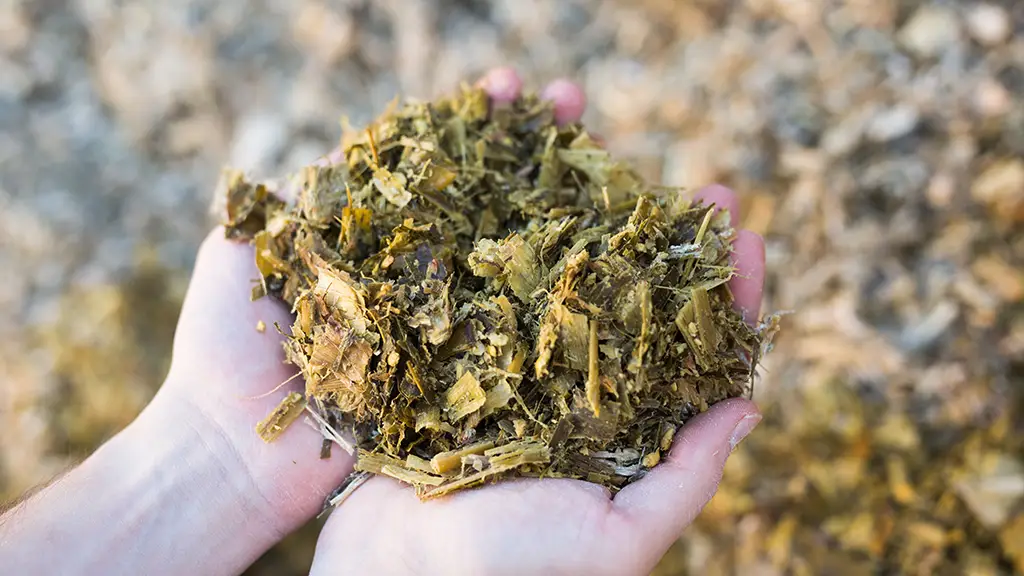
Lab results are only as reliable as the samples sent in. Mycotoxins form in concentrated pockets rather than spreading evenly through feed, so a single grab sample, or one taken only from visibly spoiled areas, can miss a problem entirely or misjudge its severity. Producers get more trustworthy data by keeping each lot uniform, collecting many subsamples across hay, bunker silage, tower silos, or TMR, mixing them thoroughly, and shipping them sealed, labeled, and cool.
Timing also matters. We recommend testing at harvest to set a baseline, during storage when heating and moisture can trigger mold growth, at feedout when conditions change fastest, and whenever milk production, intake, or herd health unexpectedly declines. Because mycotoxins persist through fermentation and storage, testing should be ongoing rather than a one-time check.
A well-rounded feed testing program covers more than nutrient composition. It can include common mycotoxins (DON, aflatoxin, zearalenone, fumonisin, and T-2), mold counts, silage fermentation quality, and pathogen indicators. Mold and mycotoxins don’t always appear together, and standard panels capture only a fraction of known toxins.
Results should be interpreted alongside herd performance and environmental conditions. Multiple low-level toxins can act together, and identifying specific contaminants helps nutritionists choose targeted mitigation strategies instead of relying on binders alone.
This article originally appeared in Progressive Dairy magazine.