Opportunities to improve support during her critical transition period
The transition period is one of the most vulnerable phases in a dairy cow’s lifecycle, where even small disruptions can have big impacts on health, production, and overall profitability.
Becca Culbertson, Feedworks USA technical support manager, highlights two areas of opportunity for keeping cows on a healthy path during transition.
Maintain a stable rumen environment
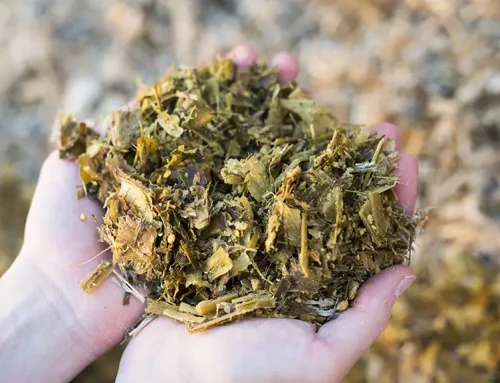
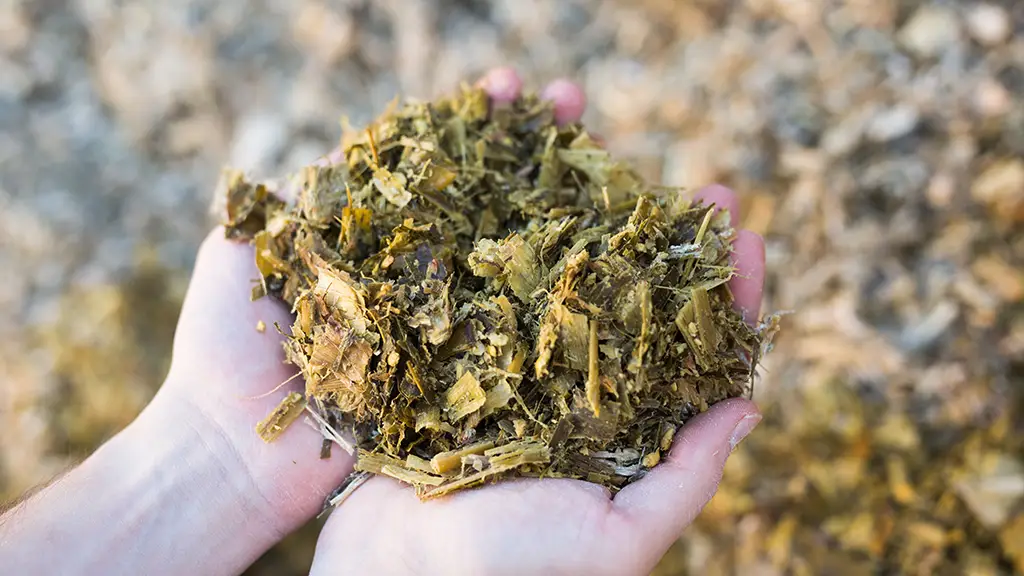
First and foremost, maintaining a stable rumen environment is essential. During transition, cows experience dramatic shifts in intake, diet, and metabolic demand. These changes can easily disrupt rumen fermentation, leading to variable intake, reduced fiber digestion, and negative energy balance. One of the most effective ways to counter this is through consistency in feeding schedules, ration formulation, and management. Beyond that, ensuring adequate physically effective fiber helps maintain rumen function and cud chewing, while functional buffers and well-formulated mineral programs support a more stable rumen pH. When the rumen is operating efficiently, cows are better equipped to maintain intake and meet the energy demands of early lactation.
Be aware of the hidden cost
At the same time, there is growing awareness that transition challenges extend well beyond the rumen. Systemic inflammation is a major hidden cost during this period. Even in the absence of obvious clinical disease, inflammation can quietly divert nutrients away from production and toward immune function, reducing efficiency and increasing the risk of downstream issues. This has shifted the conversation from simply reacting to disease toward proactively supporting the cow’s immune and metabolic systems through the diet.
Nutritional strategies aimed at managing inflammation are becoming an increasingly important part of transition programs. Antioxidants play a role by helping to neutralize reactive oxygen species and maintain cellular balance during periods of stress. In addition, the use of more bioavailable trace minerals can support immune function and improve the cow’s ability to respond to challenges. Beyond traditional nutrients, there is also growing interest in bioactive compounds that specifically target inflammatory pathways. These ingredients may offer new ways to support cows through the transition period by addressing inflammation at its source rather than just managing its consequences.
Take a holistic approach
The biggest opportunity lies in recognizing that rumen health and systemic health are interconnected. A stable rumen supports consistent intake and energy supply, while effective management of inflammation ensures that those nutrients are used efficiently for production rather than diverted to stress responses. By taking a more holistic approach that prioritizes both rumen function and whole-cow physiology, producers can better position their herd for a smoother transition, improved health, and stronger performance in early lactation.