How producers can help mitigate the effects of mycotoxins in their feed.
Mycotoxins remain one of the most persistent and costly challenges in dairy production, largely because they are difficult to fully eliminate and often go unnoticed until performance begins to slip. While no single strategy can completely remove the risk, producers can take a layered, proactive approach to minimize their impact.
Watch Don Larson, Feedworks USA technical sales manager, touch on the core principles of mycotoxin mitigation.
Start with your feed
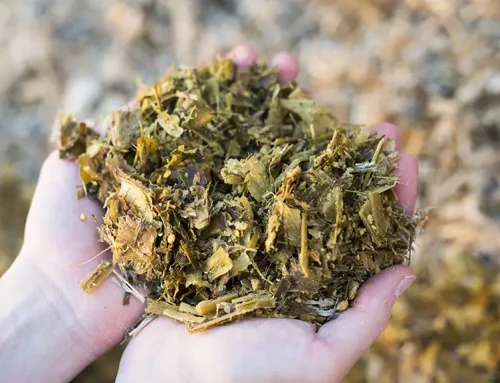
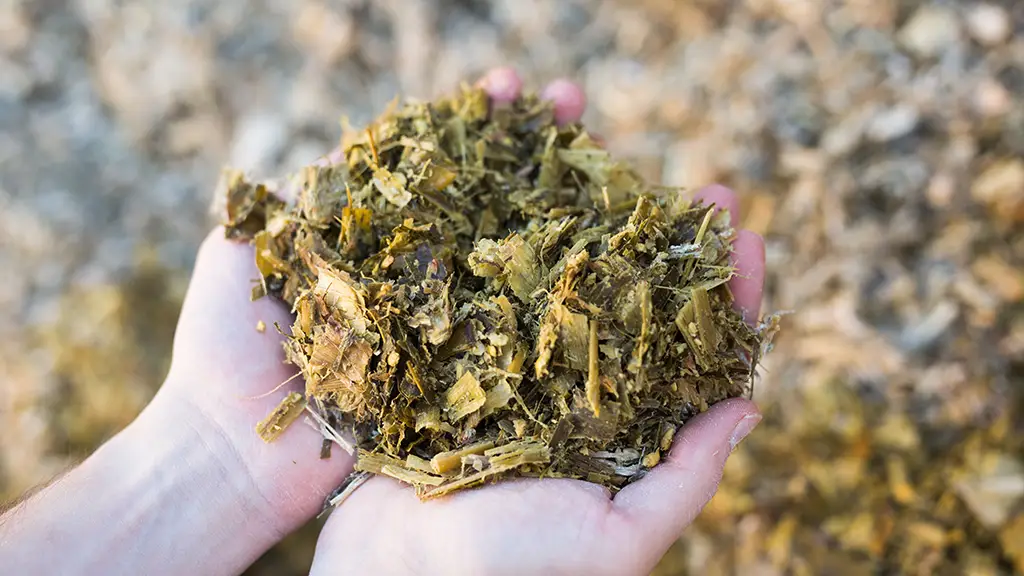
At the foundation of any mycotoxin mitigation strategy is proper feed management. The reality is, many mycotoxins originate long before feed ever reaches the bunk, developing in the field or during storage. That makes attention to detail during harvest and ensiling critical. Packing bunkers correctly, achieving the right moisture levels, and maintaining anaerobic conditions help limit mold growth and secondary toxin production. Even small lapses in these areas, like poor face management or oxygen infiltration, can create hotspots where molds thrive and toxins accumulate. While these steps will not eliminate mycotoxins entirely, they reduce the overall load cows are exposed to.
Next, support her with a proper diet
Even with excellent feed management, some level of mycotoxin exposure is almost inevitable. That’s where the second layer comes in: supporting the cow herself. A healthy, well-balanced cow is far more resilient to challenges, including toxins. This starts with ensuring diets are properly formulated for energy and protein, especially during higher-risk periods like transition. Immune function is closely tied to
nutritional status, and cows that are already under stress are more susceptible to the negative effects of mycotoxins. Supporting rumen health, maintaining intake, and minimizing other stressors all contribute to a stronger baseline defense.
Lastly, know your mycotoxins
The third piece is understanding what you’re actually dealing with. Not all mycotoxins are created equal, and neither are the tools used to address them. Different toxins vary in structure, mode of action, and how they interact within the animal. As a result, relying on a one-size-fits-all solution can leave gaps in protection. Some strategies focus on binding toxins in the GIT to prevent absorption, while others work by supporting gut integrity, immune response, or metabolic detoxification pathways. In many cases, a combination of approaches is needed to effectively manage a broad spectrum of challenges.
This is where testing and informed decision-making become especially valuable. Knowing which mycotoxins are present and at what levels allows nutritionists and producers to select solutions that are better aligned with the specific risk profile of their feed. It also helps set realistic expectations. Not all toxins can be fully bound or neutralized, so mitigation often becomes about reducing impact rather than achieving complete elimination. When paired with strong feed management and a focus on animal health, targeted interventions can play a big role in maintaining performance and protecting herd health.
Ultimately, successful mycotoxin management is not about relying on a single product or practice. It is about building a system that starts with prevention, reinforces the cow’s natural defenses, and uses the right tools based on the situation at hand. By taking this comprehensive approach, producers can better navigate the challenges mycotoxins present and maintain more consistent performance over time.